If you’re considering regenerative treatment options for an orthopedic condition, you may have heard about platelet-rich plasma (PRP) therapy. How does PRP work, and could it be an appropriate option for your situation? Understanding the biological mechanisms behind PRP can help you have more informed conversations with your orthopedic specialist about whether this treatment aligns with your health goals.
Key Takeaways
- PRP uses concentrated platelets from your own blood with the goal of supporting tissue healing.
- Effectiveness may vary based on individual factors and specific conditions. PRP may be most beneficial for certain tendon and soft tissue injuries
- The procedure involves a blood draw, centrifugation, and guided injection.
What Is Platelet-Rich Plasma?
Platelet-rich plasma (PRP) is derived from your own blood through a centrifugation process. During this process, whole blood separates into distinct layers. The layer containing concentrated platelets becomes the therapeutic material used in treatment.
Your blood naturally contains platelets, which are small cell fragments that help with clotting. These platelets also carry proteins called growth factors. In PRP therapy, the platelet concentration can be several times higher than normal blood levels, aiming to deliver a more robust dose of growth factors to the treatment area. This biological approach appeals to many patients who prefer treatments that work with their body’s natural processes.
The Science Behind Platelets and Healing
Understanding how PRP therapy works requires looking at what happens during the body’s natural healing response. When tissue injury occurs, your body initiates a complex cascade of events. Platelets rush to the injury site and release growth factors that signal cells to begin repair work.
These growth factors may help in several ways. They may potentially stimulate stem cells to differentiate into the specific cell types needed for repair. They may also encourage the formation of new blood vessels, a process called angiogenesis, which brings nutrients and oxygen to healing tissue. Additionally, growth factors might help regulate inflammation and recruit other healing cells to the area.
Concentrating these platelets and delivering them directly to damaged tissue could help amplify the healing signal. The injured area receives a higher dose of growth factors than it would through natural circulation alone.
How Is PRP Prepared?
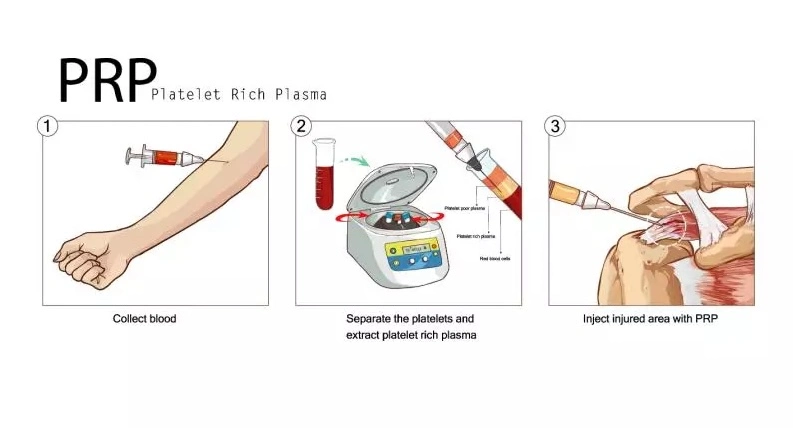
The preparation of platelet-rich plasma generally follows a similar process, although the exact protocol can vary by clinic and PRP system. The process begins with drawing a small amount of blood from your arm, similar to a routine blood test.
This blood sample then goes into a centrifuge, which spins at high speeds to separate blood components. The centrifuge separates the blood into different layers: red blood cells, platelet-poor plasma, and platelet-rich plasma.
Different centrifugation protocols exist, and platelet concentration can vary. Your doctor may adjust these parameters based on your specific condition and current research. After centrifugation, the concentrated PRP is drawn into a syringe and prepared for injection.
How Does PRP Work in the Body?
Once injected into damaged tissue, PRP initiates a series of biological events that may support healing. After injection, platelets release growth factors that may influence local tissue activity, though the timing and extent of these effects can vary. These proteins then interact with cells in the injured tissue, potentially triggering repair mechanisms.
Research suggests several ways PRP might influence healing:
- Cell proliferation: Growth factors may help stimulate cells to multiply and replace damaged tissue
- Collagen production: Fibroblasts might produce more collagen, which provides structural support to tendons and ligaments
- Reduced inflammation: Certain growth factors could help modulate the inflammatory response
- Tissue regeneration: Stem cells in the area may be activated to differentiate into specialized cells
The timeframe for these effects varies. Some patients report initial improvement within a few weeks, while others experience gradual changes over several months. The healing process itself takes time, as new tissue must form, mature, and remodel to restore function.
It’s important to understand that PRP does not work like a painkiller that provides immediate relief. Instead, it aims to support the biological healing process, which unfolds gradually. Your body must still do the work of repairing damaged tissue, with PRP aiming to provide additional resources to support that repair.
The PRP Injection Process
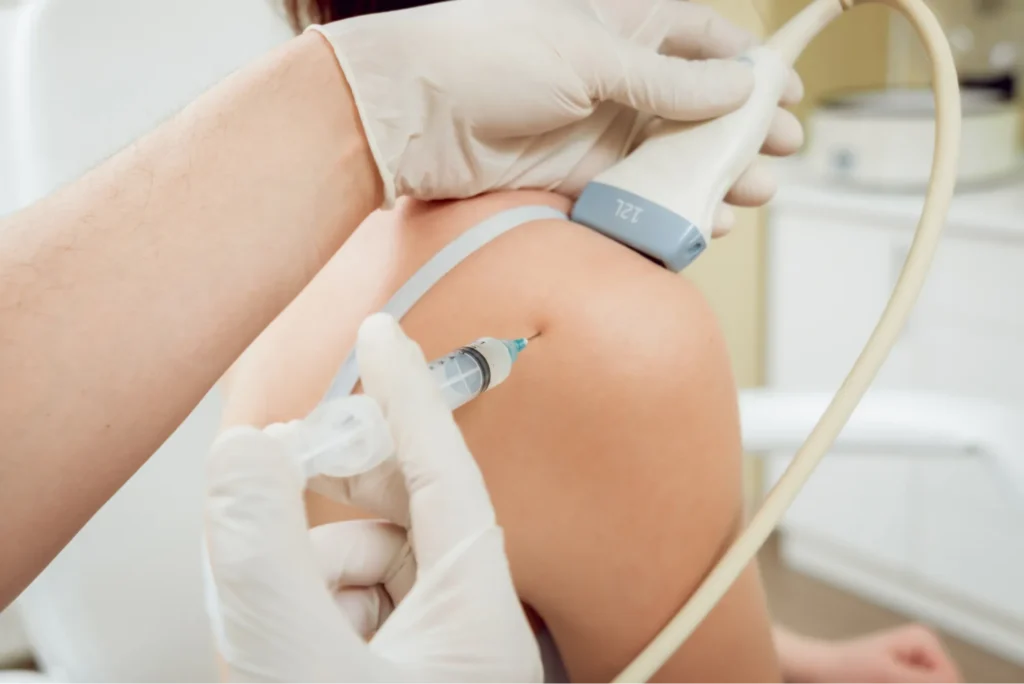
When you arrive for PRP treatment, the process begins with the blood draw. This step typically causes minimal discomfort. While the centrifuge processes your blood, the injection site is prepared. In some cases, ultrasound imaging guides the injection to ensure accurate placement.
The actual injection takes just a few minutes. You may feel pressure or mild discomfort as the PRP enters the tissue. Most patients tolerate the procedure well and can leave the office shortly afterward. You’ll receive specific instructions about activity restrictions and follow-up care based on your individual situation. The entire process typically takes around an hour.
Conditions That May Benefit from PRP
Tendon injuries represent one of the most common applications. Tennis elbow and golfer’s elbow have been investigated in multiple studies. For partial rotator cuff tears, PRP may be considered as part of a non-surgical treatment plan. When complete tears require surgery, some surgeons use PRP at the time of repair to potentially augment healing, though research on this application continues.
Mild to moderate osteoarthritis has received attention as well. Some studies suggest PRP injections might provide pain relief and improved function for some forms of arthritis. However, results vary, and PRP has not been shown to reverse arthritis or regenerate lost cartilage.
An experienced orthopedic specialist can evaluate whether your specific condition and individual factors make you a reasonable candidate for PRP therapy.
Factors That May Influence PRP Effectiveness
Several variables might affect whether PRP therapy provides benefit in your particular case. Understanding these factors can help set realistic expectations. Age may play a role, as healing capacity tends to decrease over time. However, older patients may still respond to treatment.
The severity and chronicity of your injury matter. PRP may work better for mild to moderate injuries than for severe or longstanding damage.
Your overall health status influences healing. Smoking, diabetes, autoimmune conditions, and certain medications can affect tissue repair. Nutritional status and activity level also contribute.
Finally, patient expectations and engagement with rehabilitation play important roles. PRP may work best when combined with appropriate physical therapy and activity modification.
Recovery and What to Expect
After receiving PRP treatment, your body needs time to respond. The immediate post-injection period often involves some soreness at the injection site. This discomfort typically subsides within a few days. Follow-up appointments allow your doctor to monitor progress. Some patients receive multiple PRP injections spaced several weeks apart.
Your doctor will provide specific activity guidelines. Many protocols recommend relative rest initially, followed by a gradual return to activity. Avoiding anti-inflammatory medications for a period after injection is frequently recommended, as inflammation plays a role in the healing process.
Physical therapy frequently continues or begins after PRP treatment. Structured rehabilitation helps guide tissue remodeling and restore function safely.
Improvement tends to be gradual rather than immediate. Some patients notice changes within three to six weeks, while others require three to six months. Patience is essential, as tissue healing takes considerable time.
Summary
Understanding how PRP therapy works involves recognizing both the biological theory and practical realities of this treatment approach. PRP therapy uses concentrated platelets from your own blood to deliver growth factors to injured tissue, potentially supporting natural healing processes. The treatment has shown promise for certain conditions, particularly some tendon injuries, though research results remain variable. Many factors influence outcomes, including injury type, patient characteristics, and treatment protocols.
Frequently Asked Questions
How long does PRP treatment take?
The entire appointment typically lasts around an hour. The blood draw takes a few minutes, centrifugation requires about 15 to 30 minutes, and the injection itself is quick. Most of the time involves the preparation and processing of your blood.
Is PRP treatment painful?
Most patients describe mild to moderate discomfort during the injection. After the procedure, you may experience soreness at the injection site for several days, similar to post-workout muscle soreness.
How many PRP injections might I need?
This varies by condition and individual response. Some patients receive a single injection, while others may benefit from a series of two to three injections spaced several weeks apart. Your doctor will recommend a treatment plan based on your specific situation.
How soon will I notice improvement after PRP?
Improvement timelines vary considerably. Some patients notice changes within a few weeks, while others require several months to experience maximum benefit. Tissue healing is a gradual process. Your doctor can provide more specific timelines based on your condition.