Joint pain can significantly impact daily activities, from reaching for items on a shelf to enjoying recreational sports. Understanding what can cause joint pain is often the first step toward finding effective relief and restoring function. Whether you’re experiencing discomfort in your shoulder, elbow, or another joint, identifying the underlying cause can help guide decision-making.
Key Takeaways
- Joint pain can result from numerous conditions, including arthritis, injuries, overuse, and inflammatory disorders.
- Age-related changes, repetitive movements, and previous injuries may increase your risk of developing joint pain.
- Treatment options range from conservative approaches like physical therapy to advanced surgical interventions.
Understanding Joint Anatomy and Function
Joints serve as the connection points between bones, allowing movement and providing stability throughout the body. Each joint contains several components that work together to facilitate smooth motion. Cartilage covers the ends of bones, acting as a cushion to absorb shock and reduce friction. Synovial fluid lubricates the joint space, while ligaments connect bones and provide stability. Tendons attach muscles to bones, enabling movement and strength.
When any of these structures become damaged or inflamed, pain can develop. The specific location and nature of joint pain may provide clues about its underlying cause.
Common Causes of Joint Pain
Osteoarthritis
Osteoarthritis represents one of the most prevalent causes of joint discomfort, particularly in individuals over age 50. This degenerative condition develops when cartilage gradually breaks down over time. As cartilage deteriorates, bones may begin rubbing against each other, resulting in pain, stiffness, and reduced range of motion.
The shoulder and elbow can both be affected by osteoarthritis, though shoulder arthritis tends to be more common. Many patients notice symptoms worsen with activity and improve with rest. Morning stiffness that gradually eases throughout the day is also characteristic of this condition.
Rotator Cuff Injuries
The rotator cuff consists of four muscles and their tendons that stabilize the shoulder joint and enable arm movement. Rotator cuff tears represent a significant cause of shoulder pain, particularly among active individuals. These tears can occur suddenly from an acute injury or develop gradually due to repetitive overhead activities. Symptoms may include pain when lifting the arm, weakness in the shoulder, and difficulty sleeping on the affected side.
Tendinitis and Bursitis
Inflammation of tendons, known as tendinitis, frequently causes joint pain in the shoulder and elbow. Repetitive motions can irritate tendons, leading to pain and swelling. Tennis elbow and golfer’s elbow are common forms of tendinitis affecting the elbow joint.
Bursitis involves inflammation of the small fluid-filled sacs that cushion joints. When these structures become inflamed, movement becomes painful, and the area may appear swollen.
Rheumatoid Arthritis
Unlike osteoarthritis, rheumatoid arthritis is an autoimmune condition where the body’s immune system mistakenly attacks joint tissues. This inflammatory disease typically affects multiple joints simultaneously and often presents symmetrically, meaning both shoulders or both elbows might be affected at the same time.
Patients with rheumatoid arthritis commonly experience morning stiffness lasting more than an hour, joint swelling, and systemic symptoms like fatigue. Early diagnosis and treatment are particularly important to slow disease progression and preserve joint function.
Fractures and Acute Injuries
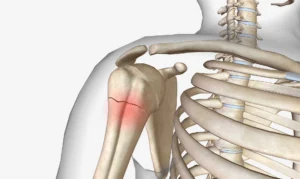
Traumatic injuries can damage bones, ligaments, tendons, or cartilage, resulting in significant joint pain. Shoulder fractures might involve the clavicle, humerus, or scapula. Elbow fractures frequently occur during falls when people instinctively extend their arms to break the impact. Dislocations occur when bones are forced out of their normal position. Shoulder dislocations are relatively common due to the joint’s wide range of motion, which makes it inherently less stable than other joints.
Labral Tears
The labrum is a ring of cartilage that surrounds the shoulder socket, deepening it and providing additional stability. Labral tears can result from acute trauma or develop gradually from repetitive overhead activities. Athletes who throw, swimmers, and weightlifters may be particularly susceptible to this type of injury.
Pain with overhead activities, a catching sensation, and shoulder instability are common symptoms. Some individuals describe a popping or clicking sound during certain movements.
Frozen Shoulder
Adhesive capsulitis, commonly called frozen shoulder, involves progressive stiffness and pain in the shoulder joint. This condition typically develops in three stages: freezing, frozen, and thawing. During the freezing stage, pain gradually increases while range of motion decreases. In many cases, the exact cause remains unclear, though frozen shoulder appears more common in people with diabetes, thyroid disorders, or after prolonged shoulder immobilization.
Risk Factors for Developing Joint Pain
Joint pain often develops as a result of multiple overlapping factors rather than a single cause. Age can play a role, as cartilage gradually becomes less resilient over time, and the body’s ability to repair joint tissue may slow. A history of joint injury, such as fractures, dislocations, or ligament damage, may also increase the likelihood of ongoing discomfort or degenerative changes later on.
Genetics may be another contributing factor. Certain inflammatory or degenerative joint conditions, such as osteoarthritis or rheumatoid arthritis, tend to run in families, which may increase susceptibility for some individuals.
Daily habits and activity patterns matter, too. Repetitive motions, prolonged overhead activity, heavy lifting, or physically demanding work can gradually stress joints over time. Similarly, poor posture or inefficient movement mechanics may place uneven forces on joints, potentially leading to irritation, stiffness, or pain.
Diagnostic Approaches
Determining what can cause joint pain in your specific case begins with a thorough evaluation. Your doctor will review your medical history, including when symptoms began, what makes them better or worse, and whether you’ve experienced previous injuries.
Physical examinations generally assess range of motion, strength, stability, and specific areas of tenderness. Your doctor may perform special tests designed to evaluate particular structures within the joint. Imaging studies such as X-ray or magnetic resonance imaging (MRI) may be ordered to provide information about joint anatomy and pathology.
Treatment Options for Joint Pain
Joint pain can often be managed through a range of treatment options, both non-surgical and surgical. The most appropriate approach depends on the underlying cause, severity of symptoms, and an individual’s lifestyle and goals. An experienced orthopedic surgeon can help evaluate these factors and guide patients toward a treatment plan tailored to their specific needs.
Conservative Management
Many joint conditions respond well to non-surgical treatment, particularly when addressed early. Rest and activity modification allow inflamed tissues to heal while avoiding movements that exacerbate symptoms. Physical therapy aims to strengthen supporting muscles, improve flexibility, and restore proper movement patterns. Additionally, medications and ice may be recommended to help manage pain and inflammation.
Injections and Regenerative Medicine
Corticosteroid injections may provide temporary relief for some conditions by reducing inflammation within the joint. Platelet-rich plasma (PRP) injections represent a regenerative medicine approach that may benefit select orthopedic conditions. This treatment uses concentrated platelets from your own blood to potentially promote healing.
Surgical Interventions
When conservative treatments fail to provide adequate relief, surgical options might be considered. Minimally invasive arthroscopic procedures use small incisions and specialized instruments to repair damaged tissues, remove inflamed tissue, or smooth rough cartilage.
For advanced shoulder arthritis, total shoulder replacement or reverse shoulder replacement may be recommended. These procedures involve replacing damaged joint surfaces with artificial components. Reverse shoulder replacement is particularly beneficial for individuals with severe rotator cuff damage in addition to arthritis.
Summary
Joint pain can arise from numerous causes, ranging from degenerative conditions like arthritis to acute injuries and inflammatory disorders. If you’re experiencing persistent or severe joint pain, consider consulting with an orthopedic specialist who focuses on the affected area. Whether your symptoms stem from arthritis, a rotator cuff tear, overuse, or another condition, personalized treatment plans may help restore function and improve your quality of life.
Frequently Asked Questions
Can joint pain go away on its own?
Minor joint pain from temporary inflammation or mild overuse may resolve with rest and basic self-care measures. However, if experiencing pain persisting beyond a few weeks, progressively worsening symptoms, or pain significantly affecting daily activities, consider consulting with an experienced specialist.
Are there ways to prevent joint pain as I age?
While aging-related changes cannot always be completely prevented, maintaining a healthy weight, engaging in regular low-impact exercise, practicing proper body mechanics, and addressing injuries promptly can help preserve joint health. Strength training and flexibility exercises may be particularly beneficial for supporting joint function.
Will I need surgery for my joint pain?
Many joint conditions respond to conservative treatments including physical therapy, medications, activity modification, and sometimes injections. Surgery is typically considered when non-surgical approaches fail to provide adequate relief or when structural damage is severe enough that conservative treatment is unlikely to be effective.