Push-ups are a staple exercise in fitness routines, athletic training programs, and rehabilitation protocols around the world. They build upper body strength, engage the core, and require no equipment. However, for some people, this seemingly simple exercise can trigger discomfort. Shoulder pain when doing push-ups can stem from various underlying issues, ranging from poor form and muscle imbalances to more serious structural problems within the shoulder joint itself.
Key Takeaways
- Shoulder pain during push-ups can commonly result from improper form, muscle imbalances, rotator cuff issues, or shoulder impingement.
- Proper form is essential. Hand placement, elbow position, and scapular control all play key roles in protecting the shoulder joint.
- Treatment approaches range from rest and form correction to physical therapy, and in some cases, medical intervention may be necessary.
- Prevention strategies include strengthening the rotator cuff, improving mobility, and progressing gradually with push-up variations.
Why Push-ups Can Trigger Shoulder Pain
Push-ups place significant demands on the shoulder complex. Unlike exercises where the shoulder simply moves through space, push-ups require the joint to bear and control body weight while moving through a full range of motion. This combination of load and movement can expose weaknesses, instabilities, or underlying conditions that might not be apparent during other activities.
The glenohumeral joint, where the ball-shaped head of the humerus meets the shallow socket of the scapula, relies heavily on surrounding muscles, tendons, and ligaments for support. During a push-up, these structures must work together to maintain proper alignment and control movement.
Several factors can contribute to shoulder pain when doing push-ups. Improper technique is perhaps the most common culprit, though pre-existing injuries, muscle imbalances, and anatomical variations can also play roles.
Common Causes of Shoulder Pain During Push-ups
Rotator Cuff Tendinitis and Impingement
The rotator cuff is a group of four muscles and their tendons that surround the shoulder joint, providing stability and enabling rotation. These muscles include the supraspinatus, infraspinatus, teres minor, and subscapularis. During push-ups, the rotator cuff works to stabilize the humeral head within the socket and control shoulder movement.
Rotator cuff tendinitis occurs when these tendons become inflamed, often due to overuse or repetitive strain. When you perform push-ups with poor form, such as allowing your elbows to flare excessively or dropping your scapulae into a protracted position, you may create additional stress on the rotator cuff tendons. Over time, this repeated stress can lead to inflammation and pain.
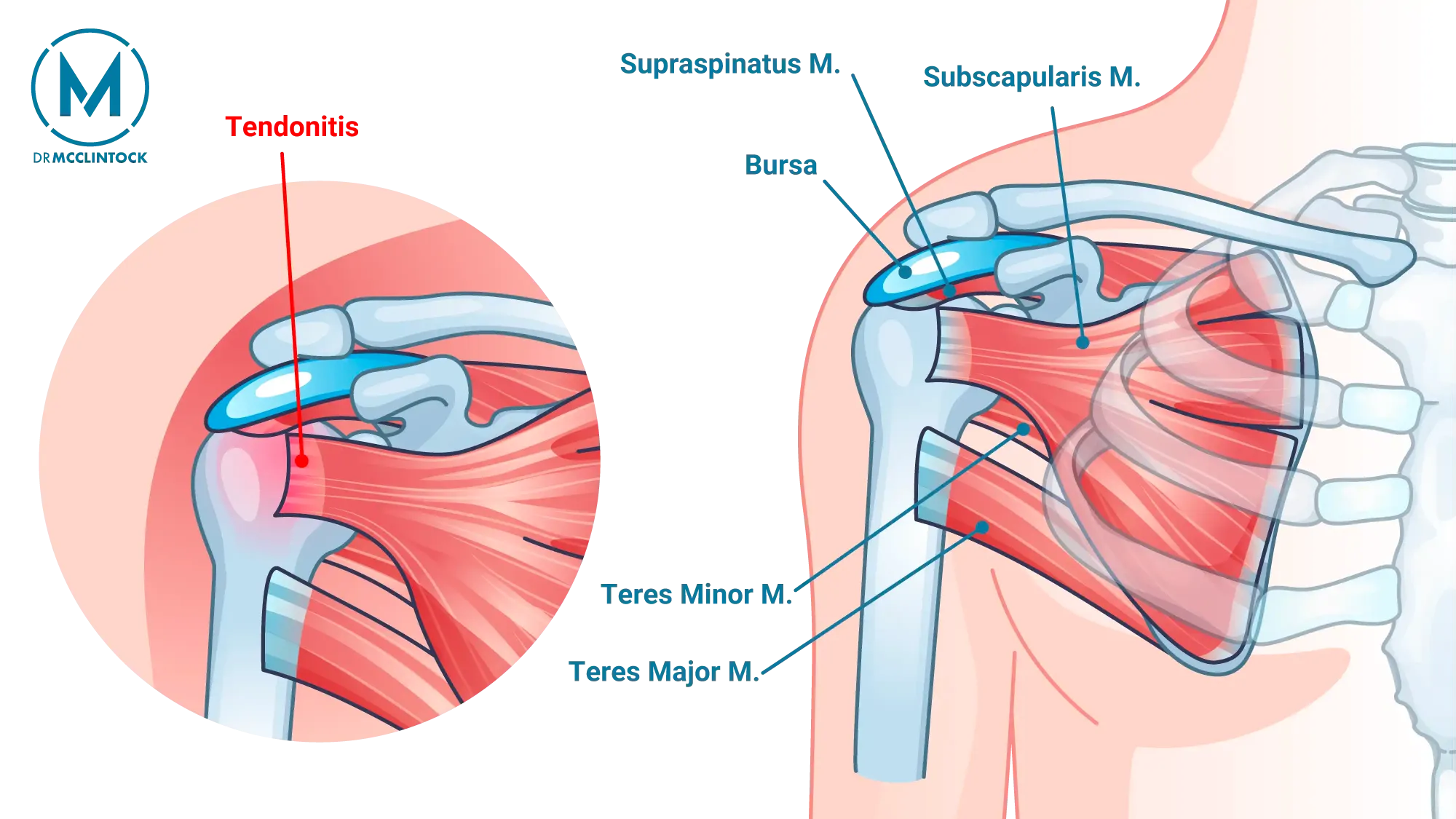
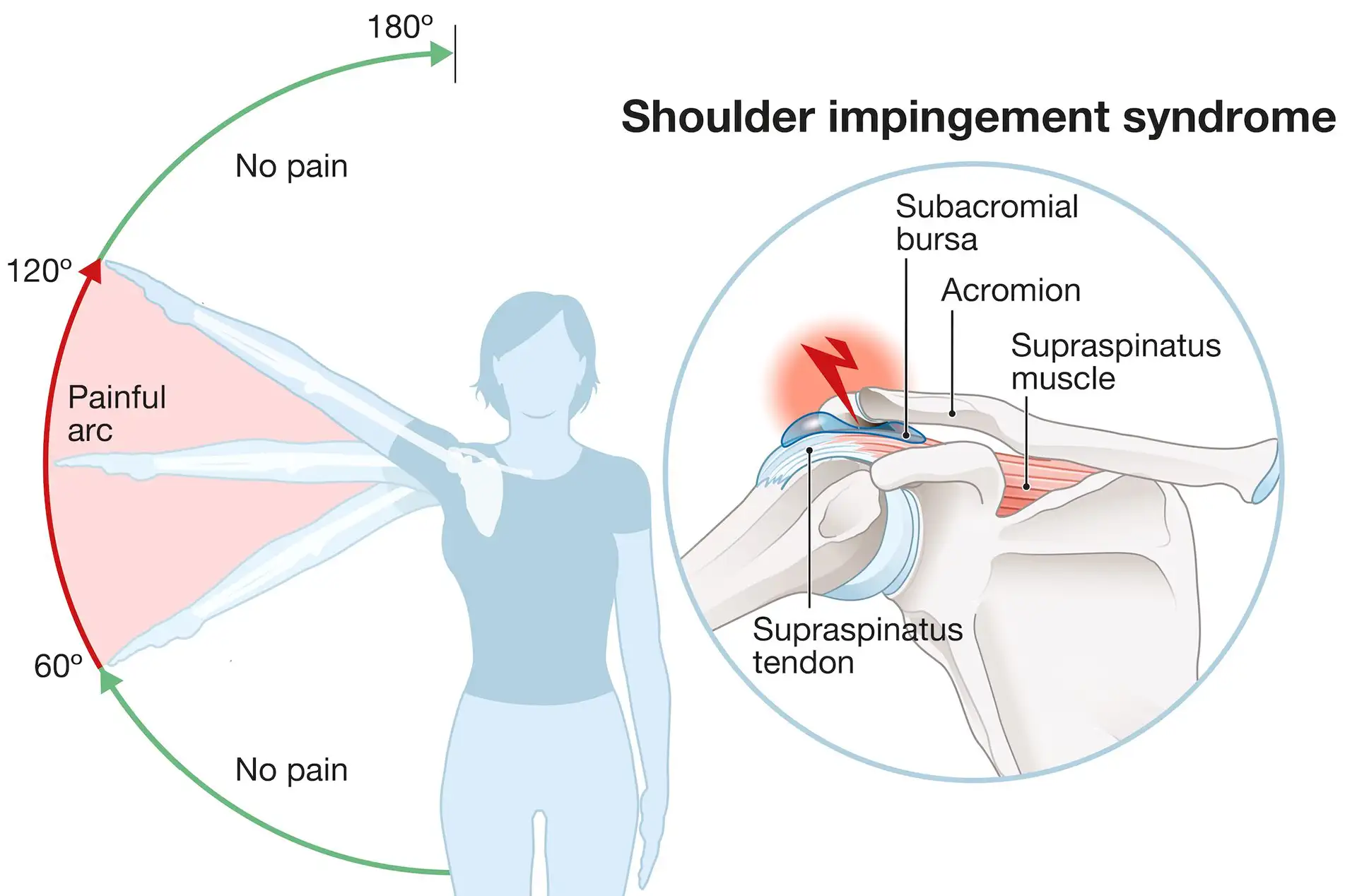
Shoulder impingement syndrome may accompany rotator cuff tendinitis. This condition occurs when the rotator cuff tendons and the subacromial bursa become compressed between the humeral head and the acromion during arm movement. The downward phase of a push-up, particularly when performed with poor scapular control, can create this compression, leading to a sharp or pinching sensation in the front or top of the shoulder.
Muscle Imbalances and Scapular Dyskinesis
The scapula serves as the foundation for shoulder movement. When you lower yourself during a push-up, your scapulae should retract and maintain a stable position against your ribcage. During the upward phase, they should protract in a controlled manner.
Scapular dyskinesis refers to abnormal movement patterns of the scapula. This can result from weakness in the muscles that control scapular position. If these muscles aren’t functioning properly, the scapula may wing out from the ribcage or fail to maintain proper alignment during the push-up motion. This altered positioning can increase stress on the rotator cuff and other shoulder structures, potentially leading to pain.
Many people develop imbalances between chest and upper back muscles. Tight pectoral muscles combined with weak upper back muscles can pull the shoulders forward into a rounded position, further compromising shoulder mechanics during push-ups.
Biceps Tendinitis
The long head of the biceps tendon runs through the shoulder joint, passing through a groove at the front of the humerus. During push-ups, this tendon experiences tension and movement that can become problematic if the tendon is already irritated or if shoulder mechanics are compromised.
Biceps tendinitis typically presents as pain in the front of the shoulder that may radiate down the arm. The pain often worsens with pushing movements and can become particularly noticeable during the lowering phase of a push-up.
Shoulder Instability and Arthritis
Some individuals have inherent laxity in their shoulder ligaments, leading to excessive motion within the joint. While mild instability may not cause problems during daily activities, the loaded position of a push-up can challenge the shoulder’s ability to maintain proper alignment. Previous dislocations can also contribute to shoulder instability and pain during push-ups.
In some cases, osteoarthritis of the shoulder can affect the joint’s ability to tolerate exercise. Push-ups can aggravate arthritic changes, leading to pain, stiffness, and sometimes grinding sensations. Acromioclavicular (AC) joint arthritis is another potential source of pain, particularly at the top of the shoulder during certain push-up positions.
The Role of Form and Technique
Proper push-up form isn’t just about getting the most out of the exercise; it’s fundamental to protecting your shoulders. Even slight deviations from optimal technique may increase stress on vulnerable structures.
Hand placement matters considerably. Hands positioned too wide can increase stress on the anterior shoulder and AC joint. A hand position roughly shoulder-width apart, with fingers pointing forward or slightly outward, tends to work well for most individuals. Additionally, your shoulder blades should remain stable and controlled throughout the movement, neither winging out excessively nor collapsing into a protracted position.
Elbow position during the movement is also important. Allowing the elbows to flare out to 90 degrees relative to the torso increases stress on the rotator cuff and can contribute to impingement. Instead, keeping the elbows at roughly a 45-degree angle from the body tends to distribute forces more evenly and reduce shoulder strain.
Core engagement is often overlooked in push-up form, yet it is essential for proper technique. A sagging torso or hips may create a chain of compensation patterns that can affect shoulder positioning. Maintaining a rigid plank position from head to heels supports the shoulders to move efficiently and safely.
Diagnosing the Source of Your Pain
If you’re experiencing shoulder pain when doing push-ups, seeking evaluation from an orthopedic specialist can help identify the underlying cause. An experienced shoulder specialist can help determine the cause and appropriate next steps.
The diagnostic process typically begins with a detailed history. Your doctor may ask about when the pain started, what it feels like, which specific movements trigger it, and whether you’ve had previous shoulder injuries.
Physical examination involves assessing your shoulder’s range of motion, strength, and stability. Your doctor may palpate various structures around the shoulder to identify areas of tenderness. Imaging studies may be recommended depending on the initial findings. X-rays can identify bone abnormalities, arthritis, or structural variations. MRI provides detailed images of soft tissues, including the rotator cuff tendons, labrum, and bursa. Ultrasound can also be used to evaluate tendons and muscles in real-time.
Treatment Approaches
Conservative Management
Many cases of shoulder pain related to push-ups can be addressed without surgery. The first step is often modifying or temporarily avoiding the aggravating activity. This doesn’t necessarily mean stopping all exercise, but rather finding alternatives that don’t provoke pain while your shoulder heals.
Ice application can help reduce inflammation and pain, particularly in the acute stages. Over-the-counter anti-inflammatory medications (NSAIDs) may help manage pain and reduce inflammation.
A skilled physical therapist can identify specific muscle weaknesses or imbalances, teach proper exercise technique, and design a progressive strengthening program. Therapy typically addresses rotator cuff strengthening, scapular stabilization, and improving overall shoulder mechanics.
In some cases, corticosteroid injections may be recommended to reduce inflammation. Platelet-rich plasma (PRP) therapy represents another treatment option for certain shoulder conditions, involving concentrated platelets from your own blood to potentially promote healing.
When Surgery Becomes Necessary
While most shoulder pain from push-ups resolves with conservative treatment, some conditions may require surgical intervention. Large rotator cuff tears that don’t respond to therapy, severe shoulder impingement that persists despite adequate conservative treatment, or significant structural abnormalities may be considered for surgical evaluation if conservative treatments fail.
Minimally invasive arthroscopic techniques allow surgeons to address many shoulder problems through small incisions. Procedures might include removing inflamed tissue, repairing torn tendons, or addressing bone spurs that contribute to impingement.
Modifying Push-ups and Building Back Safely
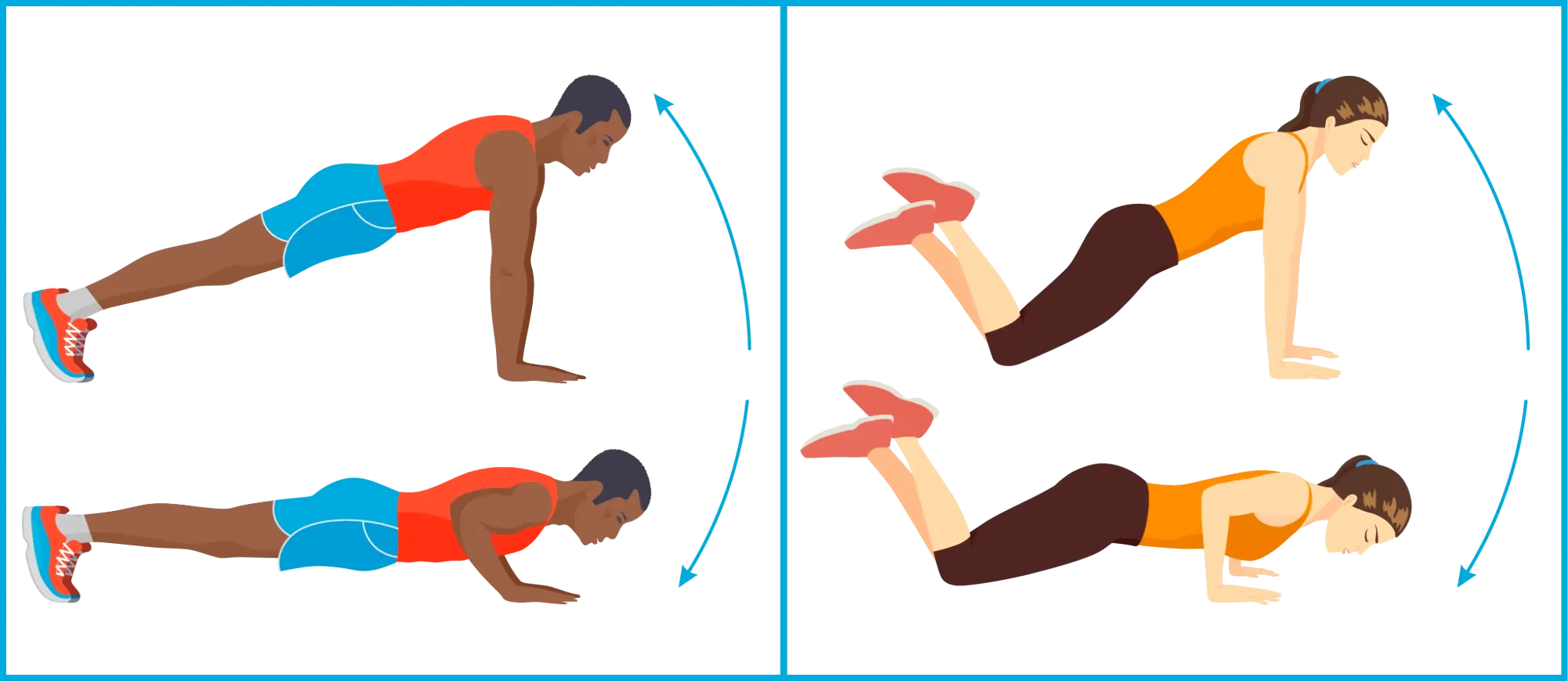
If you’re recovering from shoulder pain, modified push-up variations may be recommended to allow you to maintain upper body strength while protecting your shoulder. Wall push-ups reduce the load on your shoulders by performing the exercise in a more upright position. Incline push-ups, with your hands on an elevated surface, also decrease the percentage of body weight you’re pushing. Knee push-ups also reduce the total load you’re moving and can be a useful stepping stone as you rebuild strength.
As your shoulder improves, progression should be gradual. Adding repetitions or sets slowly allows tissues to adapt without overwhelming them. Paying close attention to form becomes even more important during this rebuilding phase.
Summary
Shoulder pain when doing push-ups is a common issue that can arise from various causes, including improper technique, rotator cuff problems, muscle imbalances, and underlying shoulder conditions. Proper form, including appropriate hand placement, elbow position, and scapular control, can be fundamental to performing push-ups safely. When pain does occur, conservative treatment approaches such as rest, ice, physical therapy, and gradual progression may prove effective. However, persistent or severe pain may require evaluation by an orthopedic specialist to identify underlying structural issues that might benefit from more targeted intervention.
Frequently Asked Questions
Why do my shoulders hurt when I do push-ups but not during other exercises?
Push-ups place unique demands on the shoulder by combining weight-bearing with a full range of motion. This may expose weaknesses, instabilities, or inflammation that might not be apparent during exercises where the shoulder moves without bearing load. The specific positioning required for push-ups may also aggravate certain conditions.
Can poor push-up form really cause shoulder damage?
Yes, consistently performing push-ups with poor form can contribute to shoulder problems over time. Improper technique can place excessive stress on the rotator cuff tendons, create impingement, or lead to muscle imbalances. While you might not notice immediate problems, repetitive stress from poor form may eventually lead to inflammation, pain, and potentially injury.
How long should I rest my shoulder before trying push-ups again?
The appropriate rest period varies depending on the severity and cause of your pain. Mild soreness might resolve within a few days, while more significant inflammation or injury could require several weeks, months, or longer.