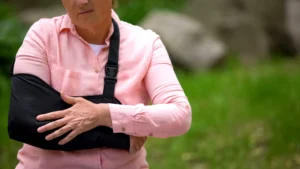
A sudden, sharp impact to the shoulder can cause more than just a surface bruise. It can lead to a condition known as a bone contusion, also known as a bruised shoulder bone. This injury affects the spongy, inner part of the bone called the bone marrow. In this post, we aim to help you understand this condition, recognize its symptoms, and navigate the path to recovery.
Key Takeaways
- A bruised shoulder bone is a bone contusion, an injury to the bone marrow. This can cause bleeding and swelling within the bone itself.
- Direct trauma, such as a fall or a sports collision, typically causes this injury.
- Symptoms often mimic a fracture and may include severe pain, swelling, and limited movement.
- Recovery can take several weeks to a few months or longer, with timelines depending on the severity of the injury.
The Anatomy of a Shoulder Contusion
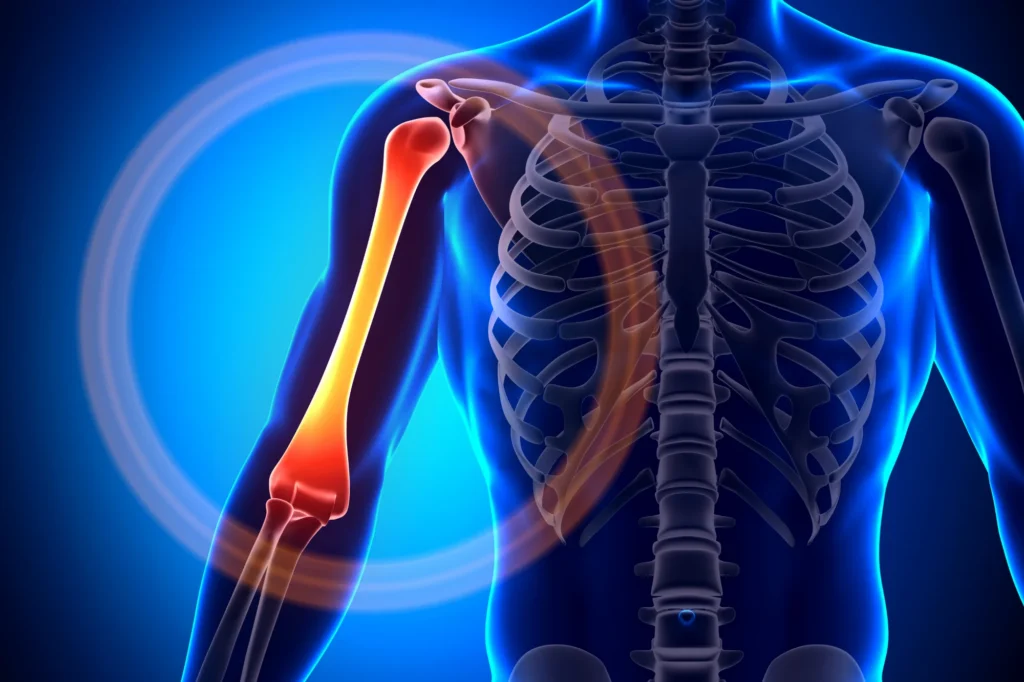
The shoulder is a highly mobile ball-and-socket joint, involving three main bones. These are the humerus, the scapula (shoulder blade), and the clavicle (collarbone). The head of the humerus forms the “ball.” The glenoid fossa of the scapula forms the “socket.” This arrangement allows for an incredible range of motion, but also makes the joint susceptible to injury.
A bone contusion can occur when a strong, compressive force impacts the bone. This force is not strong enough to cause a complete shoulder fracture. Instead, it creates microscopic damage within the bone. The outer layer of the bone, the cortex, remains intact. The injury happens in the cancellous bone, or the spongy bone, an area that is rich in blood vessels and bone marrow. The impact causes these tiny blood vessels to rupture, leading to internal bleeding and fluid accumulation.
Causes: How Does a Bruised Shoulder Bone Happen?
Direct Trauma and Falls
Contact sports are a frequent cause of these injuries. Athletes in football, hockey, and rugby often sustain direct blows. A hard tackle can drive the humerus into the glenoid. This sudden, forceful compression creates a bone contusion. However, even a simple fall can cause a bone bruise. Many people instinctively try to break a fall with an outstretched hand. This action transmits the force up the arm, which impacts the shoulder joint. Additionally, car accidents, even minor ones, can lead to this type of injury.
Repetitive Stress
While less common, repeated microtrauma can sometimes lead to bone bruising. This is more commonly seen in high-level athletes who perform highly repetitive overhead motions (baseball pitching or swimming). The constant, cyclical stress can eventually damage the bone marrow.
Recognizing the Signs and Symptoms
The symptoms of a bruised shoulder bone frequently overlap with the symptoms of a fracture. Common symptoms include:
- Severe Pain: The pain is usually immediate and intense, often localized to the area of impact. The pain may worsen with movement or pressure. It can feel like a deep, throbbing ache.
- Swelling: Significant swelling may develop quickly around the shoulder joint.
- Tenderness: The injured area may be extremely tender to the touch. For some patients, even light pressure from clothing can cause discomfort.
- Limited Range of Motion: You may find it difficult or impossible to move your arm. This limitation is due to pain and swelling.
- Bruising (Skin Discoloration): Surface bruising may appear. This is from damage to the soft tissues and blood vessels under the skin.
- Night Pain: Many patients report that the pain is worse at night, disrupting sleep.
The Diagnostic Process: Finding the Bruise
Accurate diagnosis helps guide the treatment plan. An experienced orthopedic specialist will begin with a thorough physical examination, assessing your pain level and range of motion. They may also check for signs of instability.
Imaging tests may be used to support the diagnosis or rule out other conditions. Standard X-rays are usually the first imaging test to check for a fracture. Magnetic resonance imaging (MRI) is the gold standard for diagnosing a bone bruise. The MRI creates detailed images of the body’s soft tissues and bone marrow. A bone contusion usually shows up clearly on an MRI, appearing as an area of increased fluid (edema) within the bone.
Treatment and Management Strategies
The treatment for a bruised shoulder bone is typically non-surgical. The primary goal is to manage pain and allow the bone to heal.
Initial Care: The R.I.C.E. Protocol
The R.I.C.E. principle may be recommended for initial care. It may help control pain and swelling immediately after the injury.
- Rest: Avoid activities that cause pain. You may need to wear a sling or brace for a short period. This helps protect the joint from further injury.
- Ice: Apply ice packs to the injured area for 15 to 20 minutes. Do this several times a day. Ice helps reduce swelling and numb the pain. Always wrap the ice in a towel.
- Compression: A specialized wrap or brace may sometimes be recommended. The goal is to provide support and limit swelling.
- Elevation: Try to keep the shoulder elevated above the level of the heart. This uses gravity to help drain excess fluid.
Medication and Pain Management
Over-the-counter nonsteroidal anti-inflammatory drugs (NSAIDs) can help. They manage pain and reduce inflammation. Always take these medications as directed. Acetaminophen (Tylenol) may be another option if you cannot tolerate NSAIDs.
Physical Therapy and Rehabilitation
Once the initial pain subsides, physical therapy may be initiated. A structured rehabilitation program aims to prevent stiffness and restore function. Physical therapy typically focuses on a phased approach to recovery.
- Early Motion: The therapist may introduce gentle, passive range of motion exercises to help maintain joint mobility.
- Active Motion: When instructed by your specialist or therapist, you may then begin active range of motion exercises, where you use your own muscles to move the arm.
- Strengthening: The final phase focuses on strengthening the surrounding muscles. This may include the rotator cuff and scapular stabilizers. Strong muscles support the joint.
Recovery Timeline and Prognosis
The recovery time for a bruised shoulder bone varies greatly. It depends on the severity of the contusion, the individual’s overall health, and rehabilitation commitment.
A minor bone bruise might heal in four to six weeks. A more severe contusion can take several months or longer. Your doctor will monitor your progress closely and may use follow-up MRI scans. It is important to be patient during this time. Returning to sports or heavy lifting too soon may run the risk of re-injuring the bone.
Summary
A bruised shoulder bone, or bone contusion, can be a painful injury. It frequently results from a high-impact force to the shoulder. The injury involves bleeding and swelling within the bone marrow. Treatment generally revolves around rest, pain management, and a gradual return to activity through physical therapy. By understanding the nature of this injury and seeking care, you can take steps to support your recovery.
Frequently Asked Questions
Is a bruised shoulder bone the same as a fracture?
No, they are different injuries. A fracture involves a break in the bone’s hard outer shell. A bruised shoulder bone is a contusion. It is an injury to the bone marrow inside the bone. However, both injuries can cause significant pain.
How long does it take for a bone bruise to heal?
Healing time varies widely. A mild bone bruise may resolve in four to six weeks. A more severe contusion can take several months or longer. It is important to follow your doctor’s recommendations and not rush your return to activity.
Will a bruised shoulder bone show up on an X-ray?
Typically, no. X-rays are best for seeing bone breaks (fractures). While X-rays may be used to rule out fractures, a bruised shoulder bone is an injury to the bone marrow. An MRI can support the diagnosis by showing the fluid and swelling within the bone marrow.