If you’re considering rotator cuff surgery, you may be wondering, “How do I shower after the procedure?” Among the many aspects of recovery, maintaining personal hygiene, particularly showering, often raises questions and concerns for patients. In this post, we’ll discuss the process of showering after rotator cuff surgery, providing detailed insights into safe practices, timelines, and precautions to protect your healing shoulder.
Key Takeaways
- Follow your surgeon’s timeline for showering, typically 48–72 hours after arthroscopic surgery, to protect incision healing.
- When showering, allow gentle water flow but avoid scrubbing or submersion until fully healed.
- Use caution and support during showers: rely on your non-surgical arm, use a shower chair or non-slip mat, and reapply your sling afterward.
Understanding Rotator Cuff Surgery and Initial Recovery
Rotator cuff surgery is a common orthopedic procedure performed to repair tears in the rotator cuff, a group of four muscles and their tendons that surround the shoulder joint. These tears can result from acute injuries, such as a fall, or degenerative changes over time due to repetitive overhead activities or aging.
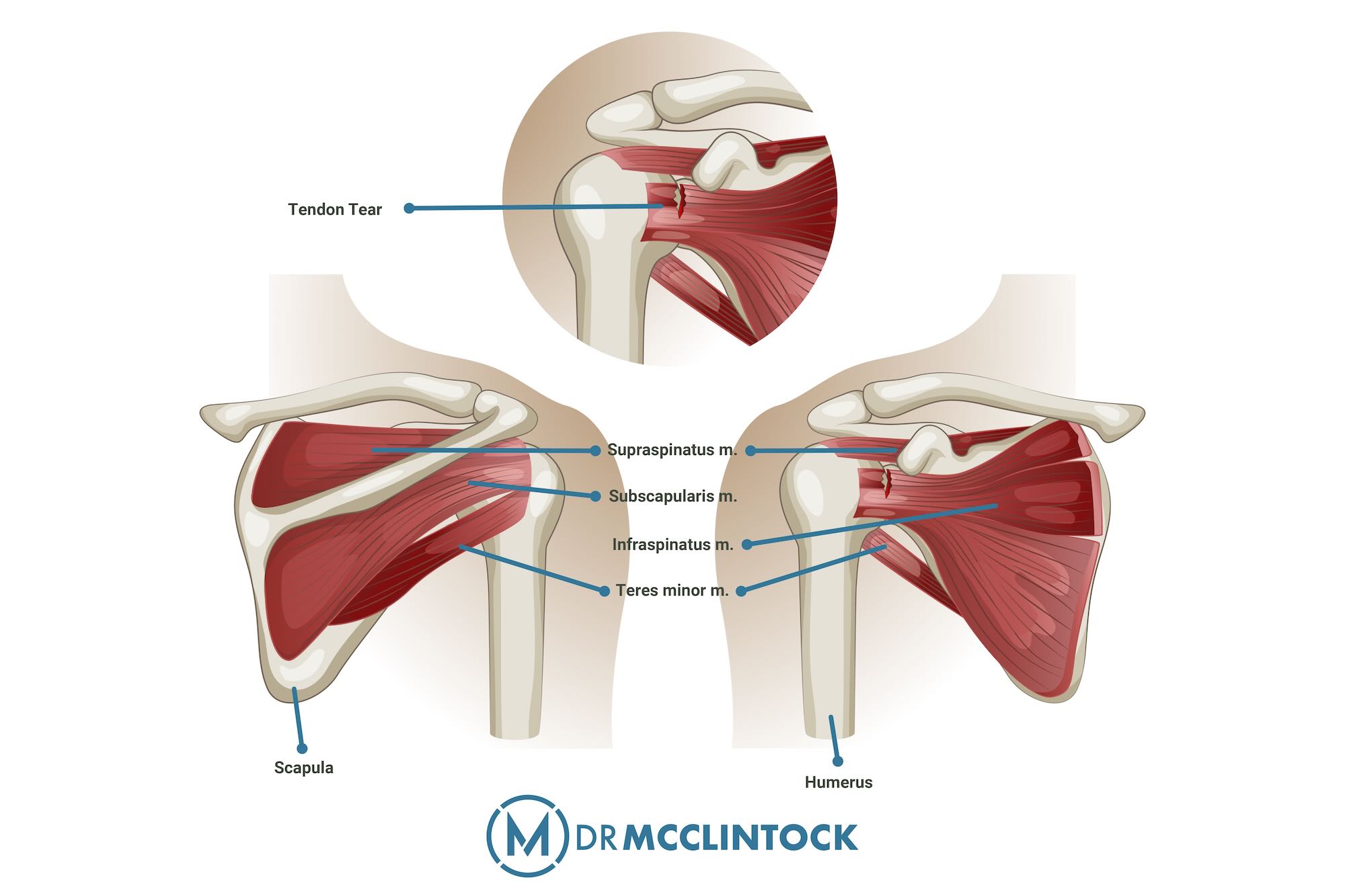
The primary goal of rotator cuff surgery is typically to reattach the torn tendon(s) to the head of the humerus (upper arm bone). The surgical approach can vary, including arthroscopic (minimally invasive) or open techniques, each with its own recovery nuances. An experienced shoulder surgeon can evaluate the injury and guide the most appropriate approach. Regardless of the method, the initial weeks following surgery are important for healing and protecting the repaired tissues. This period is characterized by pain management, swelling reduction, and strict adherence to immobilization protocols, typically involving a sling or immobilizer.
The Importance of Immobilization
Immediately following surgery, your shoulder will likely be placed in a sling or immobilizer. This device is not merely for comfort; it is designed to protect the surgical repair by limiting movement and preventing accidental re-injury. The sling keeps your arm in a specific position to reduce tension on the healing tendons. Patients are typically instructed to wear the sling at all times, including during sleep, only removing it for specific activities like dressing or showering, and only when cleared by their surgeon.
Pain Management and Swelling Reduction
Your medical team will provide a pain management plan, which may include prescription pain medications and over-the-counter options. It is important to manage pain effectively, as uncontrolled pain can hinder your ability to participate in rehabilitation exercises and daily activities. Applying ice packs to the surgical area, as directed, may also help reduce swelling and discomfort.
When Can You Shower After Rotator Cuff Surgery?
The question of when it is safe to shower is one of the most common inquiries among patients recovering from rotator cuff surgery. The timing largely depends on the type of surgery performed (arthroscopic vs. open) and your surgeon’s specific instructions, which are tailored to your individual healing progress and the nature of your repair.
For patients who have undergone arthroscopic rotator cuff repair, showering is generally permitted sooner than with open surgery. Many surgeons advise waiting 48 to 72 hours after the procedure before taking your first shower. This waiting period allows the initial surgical dressings to remain intact, protecting the incision sites from contamination. After this period, you may be instructed to remove the outer dressing, but often small adhesive strips or sutures will remain over the incisions. These can typically get wet with running water, but should not be scrubbed or soaked.
Incision Care and Drainage
Regardless of the surgical technique, the primary concern is to keep the surgical incisions clean and dry to prevent infection. If your incisions are draining any fluid, do not shower and contact your medical team. Your surgeon may recommend using waterproof dressings or plastic covers over the incision sites during showering, especially in the initial days or weeks. If no specific waterproof dressing is provided, a clean, dry towel can be used to gently pat the area dry immediately after showering.
Safe Showering Techniques and Precautions
The goal is to maintain hygiene without compromising the surgical repair or causing pain. In the following subsections, we’ll describe some techniques and precautions that may help.
Preparing for Your Shower
- Gather Supplies: Before entering the shower, ensure you have everything you need within easy reach. This may include a clean towel, soap, shampoo, conditioner, and any prescribed waterproof dressings or plastic covers for your incision.
- Pain Medication Timing: If you are experiencing pain, consider taking your pain medication approximately 30-60 minutes before showering. This can help manage discomfort and make the process more tolerable.
- Ensure Safety: Place a non-slip mat in the shower or tub to prevent falls. A shower chair or bench may also be recommended, especially for the first few showers, as it allows you to sit and conserve energy, reducing the risk of losing balance.
During the Shower
- Remove Sling (If Permitted): If your surgeon has cleared you to remove your sling for showering, do so carefully. Keep your surgical arm relaxed and close to your body.
- Protect the Surgical Arm: Do not use your surgical armto wash yourself or support your weight.
- Washing the Surgical Armpit: To wash under your surgical armpit, gently lean forward and let your arm briefly fall away from your body. This allows access without actively raising or moving your shoulder. Use your non-surgical hand or a long-handled brush to gently wash the area.
- Gentle Incision Care: Allow warm, soapy water to gently run over your incision sites. Do not scrub, rub, or vigorously wash the incisions. Use a mild, unscented soap. Avoid direct, high-pressure water streams on the incision.
- Use Your Non-Surgical Hand: Rely primarily on your non-surgical hand to wash the rest of your body.
- Brief Showers: Keep your showers brief, especially in the initial post-operative period. Prolonged exposure to steam or hot water can increase swelling. A lukewarm shower is generally preferable.
- Avoid Submersion: Do not take a bath or submerge your surgical shoulder in water until your surgeon explicitly permits it.
After the Shower
- Gentle Drying: Immediately after showering, gently pat the incision sites dry with a clean, soft towel. Do not rub. Ensure the area is completely dry before redressing or putting your sling back on. You may cover the incision with fresh gauze or leave it open to air, as advised by your surgeon.
- Reapply Sling: Carefully reapply your sling or immobilizer as soon as you are dry. Ensure it is positioned correctly to provide adequate support and protection to your shoulder.
General Post-Operative Recovery Protocols
Showering is just one aspect of a comprehensive recovery plan after rotator cuff surgery. Your overall rehabilitation will generally involve several phases, each with specific goals and precautions.
Immediate Post-Op
This initial phase focuses on protecting the surgical repair, reducing pain and swelling, and maintaining passive range of motion. Key elements include sling use, avoidance of active shoulder movement, and pain management. Additionally, your physical therapist may perform passive range of motion exercises to prevent stiffness without stressing the repair.
Intermediate Post-Op
As healing progresses, this phase continues to protect the repair while gradually increasing controlled movement. Active assistive range of motion exercises may be introduced. During this phase, the sling is typically discontinued. Precautions against lifting heavy objects are still in place.
Subsequent Phases
Later phases involve progressive strengthening, restoring full range of motion, enhancing functional use of the upper extremity, and gradually returning to full functional activities. These phases are guided by specific criteria for progress, including pain levels, range of motion measurements, and muscle strength assessments. The ultimate goal is to achieve pain-free movement and return to pre-injury activity levels, with clearance from your surgeon and physical therapist.
Summary
Showering after rotator cuff surgery is a daunting but manageable aspect of your recovery journey. By understanding the specific guidelines provided by your surgeon, adhering to precautions, and employing safe techniques, you can maintain personal hygiene without jeopardizing your healing shoulder. Remember that patience is your greatest ally in achieving a successful recovery. Always prioritize communication with your medical team, reporting any concerns or questions promptly.
Frequently Asked Questions
How long do I need to wear the sling after rotator cuff surgery?
The duration of sling wear varies depending on the extent of your repair and your surgeon’s protocol. Typically, a sling is worn continuously for 4 to 6 weeks, sometimes longer, especially during sleep. Your surgeon will provide specific instructions on when and how to gradually reduce sling use.
Can I get my incision wet at all?
After the initial 48-72 hour period for arthroscopic surgery, or once cleared by your surgeon for open surgery, it is generally acceptable for warm, soapy water to gently run over your incisions during a brief shower. However, you must not scrub, rub, or soak the incisions.
What if I accidentally get my surgical arm wet or move it too much?
If you accidentally get your incision wet before it’s cleared, gently pat it dry immediately with a clean towel. If you accidentally move your arm too much, especially in a way that causes pain, stop the activity and rest. Monitor for any increased pain, swelling, or new drainage. If you have concerns or persistent symptoms, contact your surgeon’s office for advice.
Is it okay to take a bath instead of a shower?
No, it is generally not recommended to take a bath or submerge your surgical shoulder in water until explicitly cleared by your surgeon. Soaking the incision increases the risk of infection. Stick to brief showers as advised.
How can I wash my hair without moving my surgical arm?
Washing your hair can be challenging. Consider having someone assist you, or lean your head back under a handheld showerhead, using only your non-surgical hand to wash and rinse.